
Can you give First Aid to a river?
Five years ago I found myself in an unexpected situation. After a fairly normal morning, I noticed a sailing boat entering the mouth of Maamang /Richmond River during a large swell. The boat appeared to be barely moving, as an outgoing tide was supercharged by La Nina fuelled floodwaters rushing out into the ocean. Whether it was curiosity or a kind of foreboding, within 10 minutes I found myself on the beach at the river's mouth giving CPR alongside a number of other people who happened to be there that morning. In the end the man — renowned sailor Peter Warner — died that morning. Through a few strange twists of fate, I ended up writing a story about the man we couldn't save. But thanks to previous experience and successive wilderness and remote first aid intensives I'd gone through in my professional career, I walked away from that experience without any trauma knowing we'd done everything humanly possible to keep him alive.
Reflecting on that experience recently, it got me thinking, is it worth applying the vital first aid mnemonic DRSABCD to my home river? One definition of first aid is 'the immediate, temporary care given to an injured or ill person to preserve life, prevent further harm and promote recovery.' But the beauty of first aid is that anyone, anywhere, can perform life-saving acts.
Here's what I came up with:
D — DANGER
Does the situation present any immediate threats to the river system before you intervene?
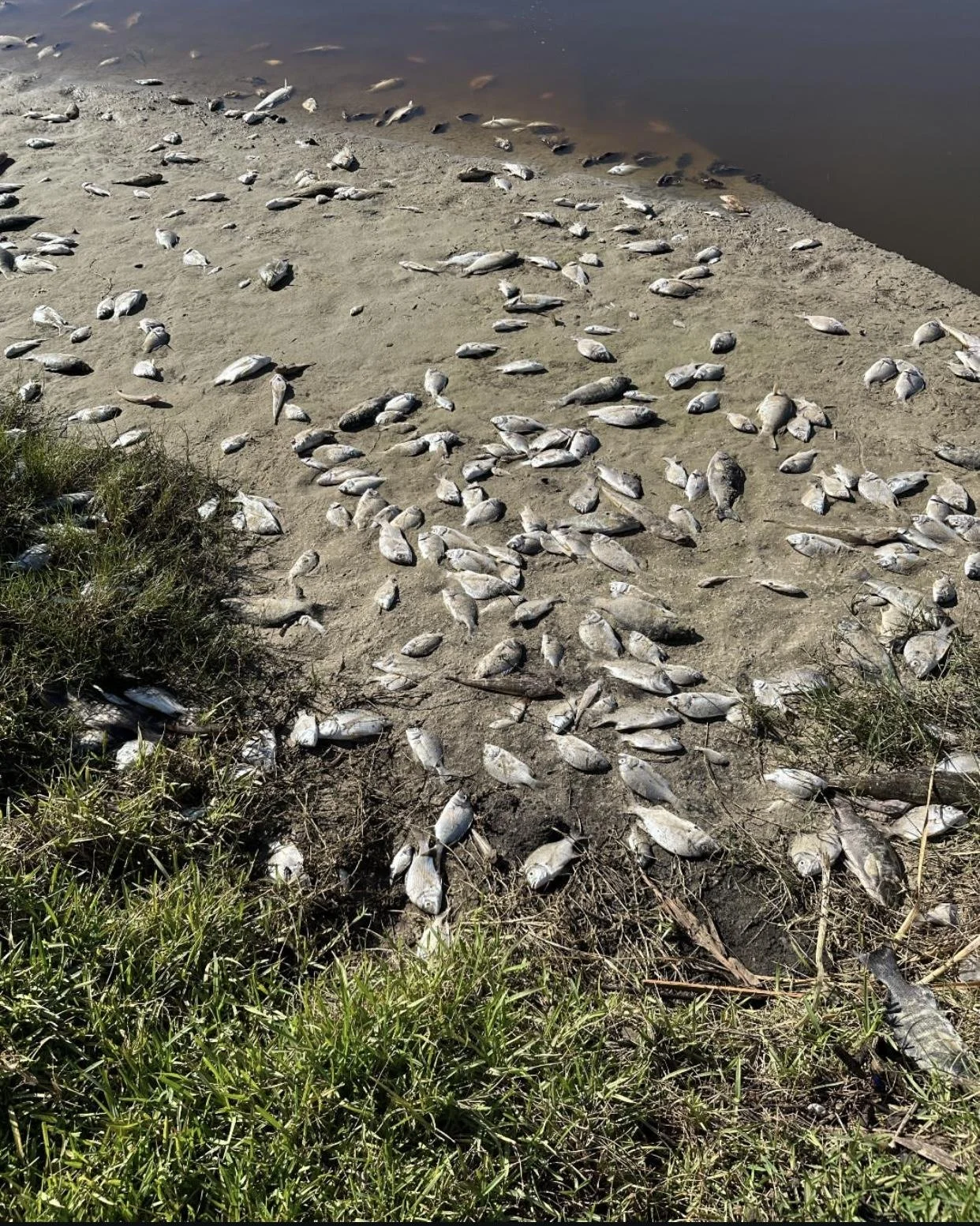
In the case of the river, surely you'd argue that it does. Particularly during floods, when the river is laced with a nasty combination of chemicals, deoxygenated water and dead animals among other things.
R — RESPONSE
Can you get a response? Assess the current condition of the river
The river has been sending us warnings of its ill health for years. Monitoring has suggested:
Poor water quality (turbidity, nutrient levels, pH and dissolved oxygen)
Compromised ecological indicators (diversity in fish/macroinvertebrates, riparian condition)
Hydrological function (connectivity of wetlands and floodplains)
Action: Use monitoring data to determine which reaches are “critical”, “stable”, or “recovering”
S — SEND FOR HELP
Starting to realise we can't do this on our own? Who do we call?
The NSW Minister for Water, Rose Jackson? Chris Minns? Anthony Albanese? If we think ambulance wait times are long, try getting help for an ailing river system. We might have to rely on community-based first aid for longer than we'd like, through local collectives that punch well above their weight.
Action: Develop coordinated governance that involves stronger legislation and powers to ensure enforcement and accountability for all
A — AIRWAY
Are there obstructions to the airway? Does the river have flow and connectivity?
Is fish passage blocked?
How have channels been modified to reduce the natural function of the river?
How is the floodplain disconnected from the river?
Action: Remove or retrofit barriers, reconnect wetlands and floodplains, 'make room for the river'
B — BREATHING
Is the river breathing? Dissolved oxygen is critical for life.
Blackwater events and organic load depleting oxygen
Action: Reduce organic and nutrient inputs, restore shading (riparian vegetation), improve flow regimes to maintain oxygen levels
C — CPR
How do we restore a pulse? How do we keep the river “alive” while underlying issues are addressed.
Targeted sediment management to prevent smothering of key habitats
Overhaul of chemical use in agriculture
In-stream works (e.g. re-snagging, channel complexity) to improve hydraulic diversity
Action: Apply consistent, targeted interventions that maintain water movement, habitat function, and ecological processes—buying time for broader catchment fixes to take effect, much like CPR sustains circulation until the patient can recover on their own
D — DEFBRILLATION
Are we at the place of last resort? Targeted, high-impact interventions are critical where the system is failing
Large-scale riparian restoration and catchment revegetation
Natural and engineered interventions (e.g. re-snagging, erosion works)
Natural flood management practices to slow the flow of water and hold retain it in the landscape
Wetland restoration on lower, middle and upper floodplains
Action: Use strategic “shock” projects to kickstart recovery in priority reaches
Beyond Resuscitation and into Rehabilitation
Where to from here? Unlike CPR, river recovery is long-term.
Continuous monitoring and adaptive management
Policy changes (land-use planning, integrated catchment stewardship)
Community stewardship and behaviour change
Action: Treat the river as a chronic patient requiring lifelong care, not a one-off emergency. The hope is that in our lifetime it will return to a level where we can live in harmony and mutual respect together.
---
First Aid is never intended to be long-term. It's an emergency response to a situation that presents itself, often unexpectedly like in the case I spoke about at the beginning. But in trying to understand a river's health through a human lens, maybe it's a little easier to see how perilous it really is.
Food for thought, at least.